
Portfolio No. 01
The Muse’um of Climate Memory
presented at the IMPACT23: Ecologies of Attention, PACT Zollverein, Essen, Germany
Fossilized within the body are traces of memory—imprints of lived encounters, ancestral knowledge, and emotional residue embedded deep within the inner landscape of our being. These embodied memories echo the Earth’s own layered histories, where trauma and resilience lie sedimented over time.
The Muse’um of Climate Memory is an evolving, co-created platform by Raz Salvarita (Philippines) and Elle Divine (Australia), emerging from an intergenerational and intercultural collaboration grounded in shared vulnerability and deep listening. The project responds to the emotional and psychological toll of climate collapse, particularly the impact of natural disasters such as supertyphoons in the Philippines—events that etch themselves into the body’s cellular memory, often across generations.
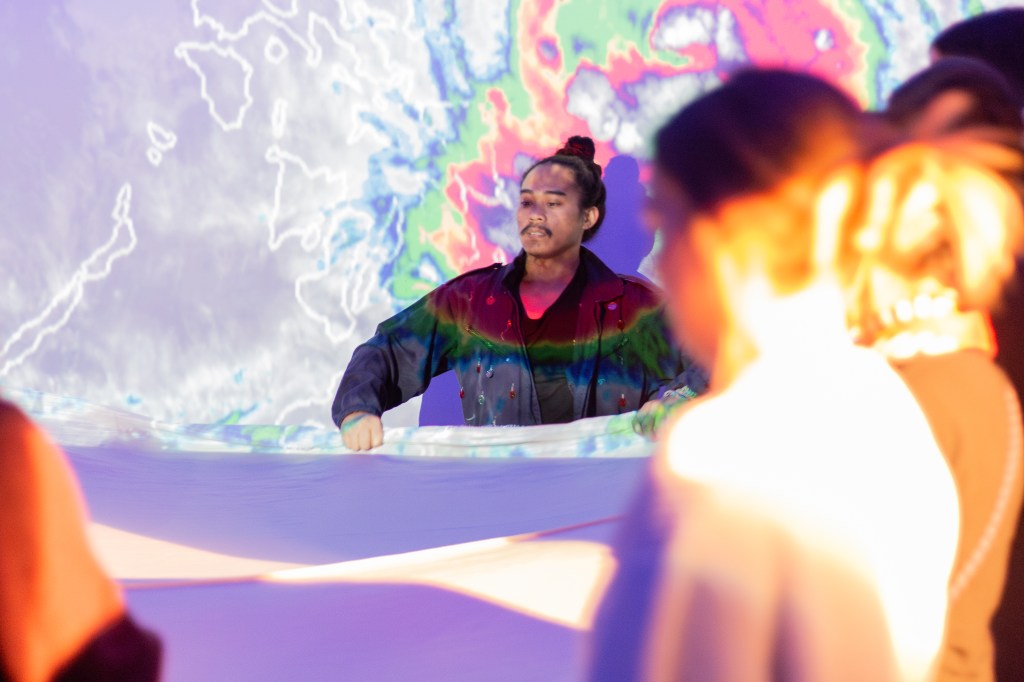
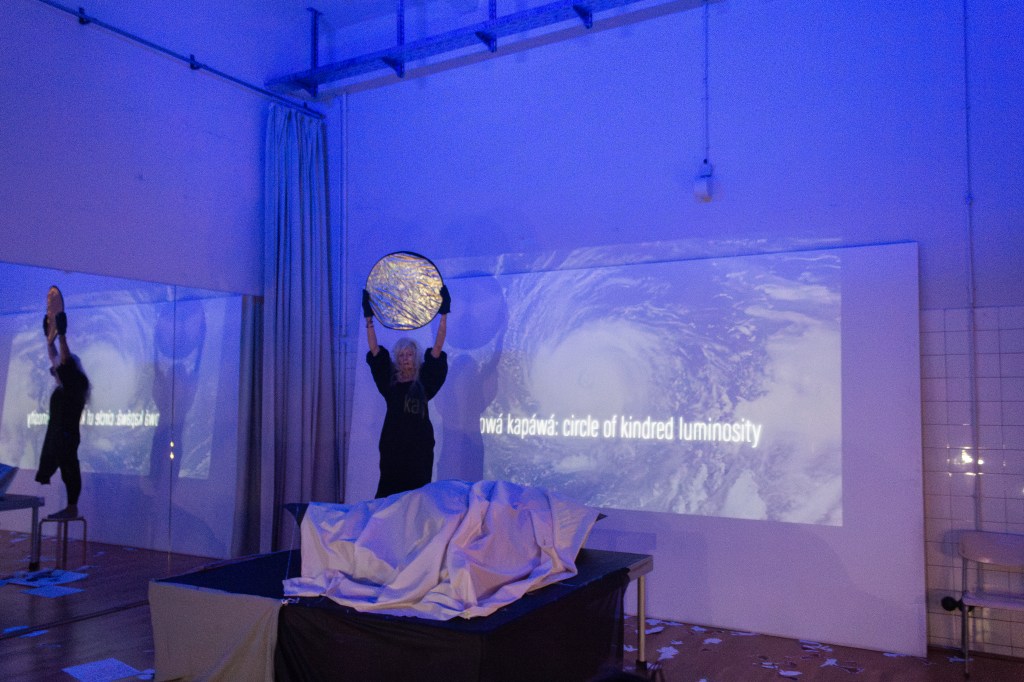
Central to the exhibition is a durational performance in which the artists engage in a cyclone-like choreography—dancing and swirling with the force of a typhoon—captured through the lens of a thermal camera. In this act, the body becomes a heat map of visibility, presence, and transformation. The thermal imagery reveals the invisible: memory as energy, grief as warmth, movement as release. This visual language makes tangible the inner turbulence held by the body in response to climate trauma.
At its core, The Muse’um of Climate Memory explores how we can reclaim the typhoon within us—not as destruction, but as power. Through cyclone immersion, the artists embody the storm to access a deeper, cellular memory. By moving through the force, rather than resisting it, they activate the possibility of healing, transmutation, and empowerment.
This space is a living archive—a room for the exchange of stories, rituals, and embodied knowledge. It invites us to consider how memory is stored in the body, how climate grief travels across bloodlines, and how radical creative expression can transform loss into resilience.
Rooted in poetic resistance and practical imagination, The Muse’um of Climate Memory aspires to become a replicable grassroots model—rooted in community, adaptable to place, and deeply committed to healing through shared movement, storytelling, and art.
Ecologies of Attention – living together beyond consumer societies
Yipei Lee, Khaled Alwarea, Ra’z Salvarita & Elledivine Wood, David Turturo, Nath Gélard & Thibaud Guichard
PACT Zollverein: Artist Residencies | Essen, Germany
A six-weeks residency research and open studio performance
The residency programme that is carried out throughout the year is at the heart of PACT Zollverein’s day to day work. Running since 2002, it offers artists and cultural professionals from all over the world a space to develop artistic projects and productions. In conjunction with the areas of stage, platform, and urban space, an exchange between theoretical and practical work takes place at the Artists’ House.
Plants & Memories
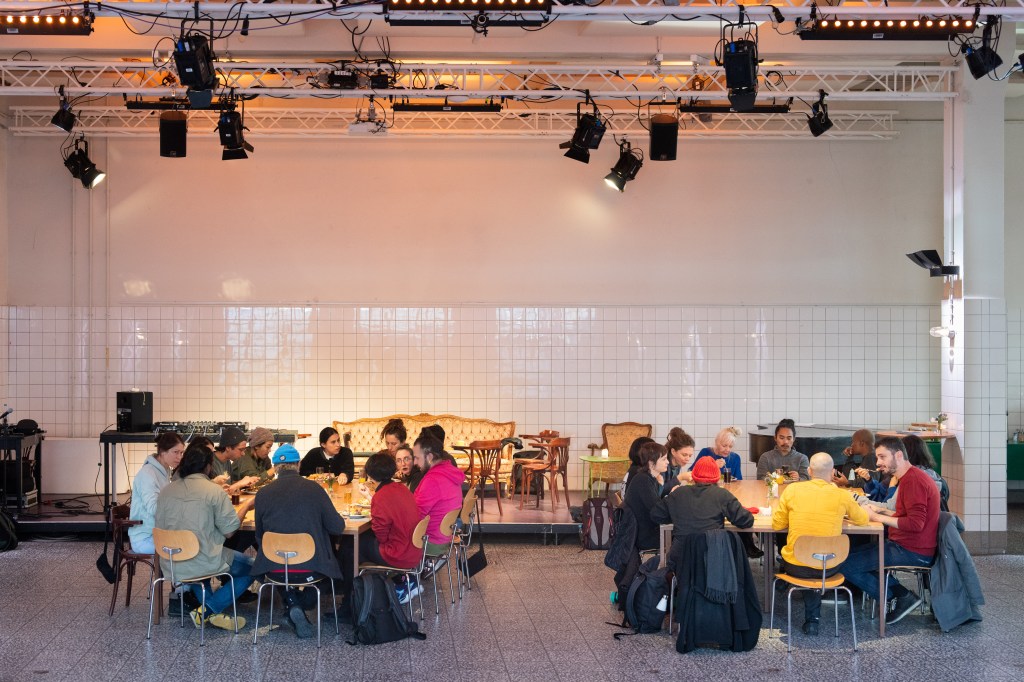
Residency Café
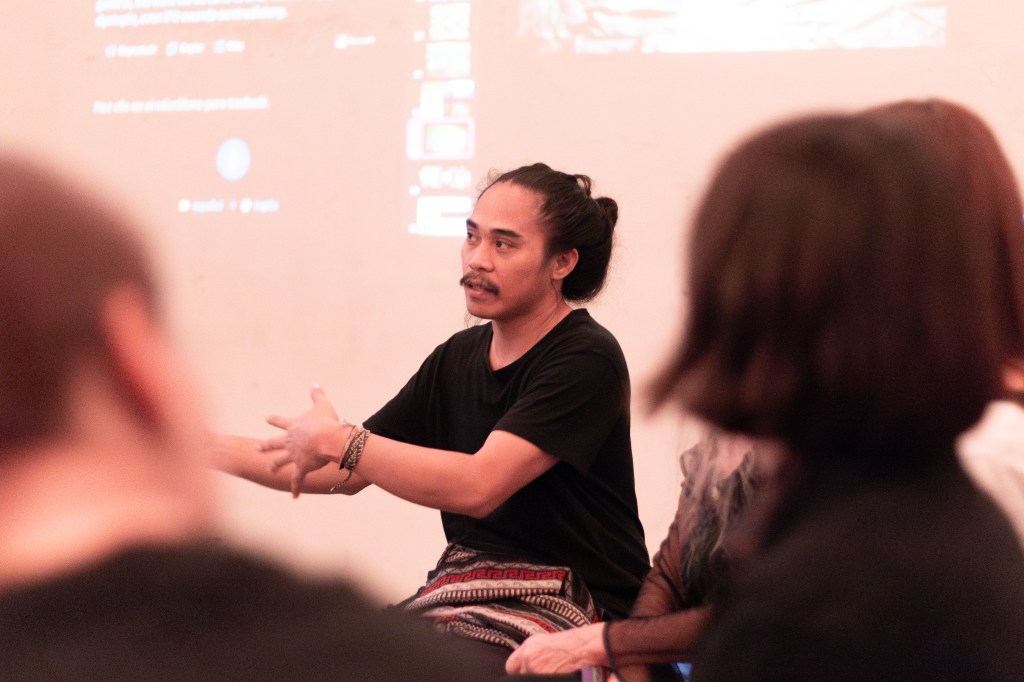
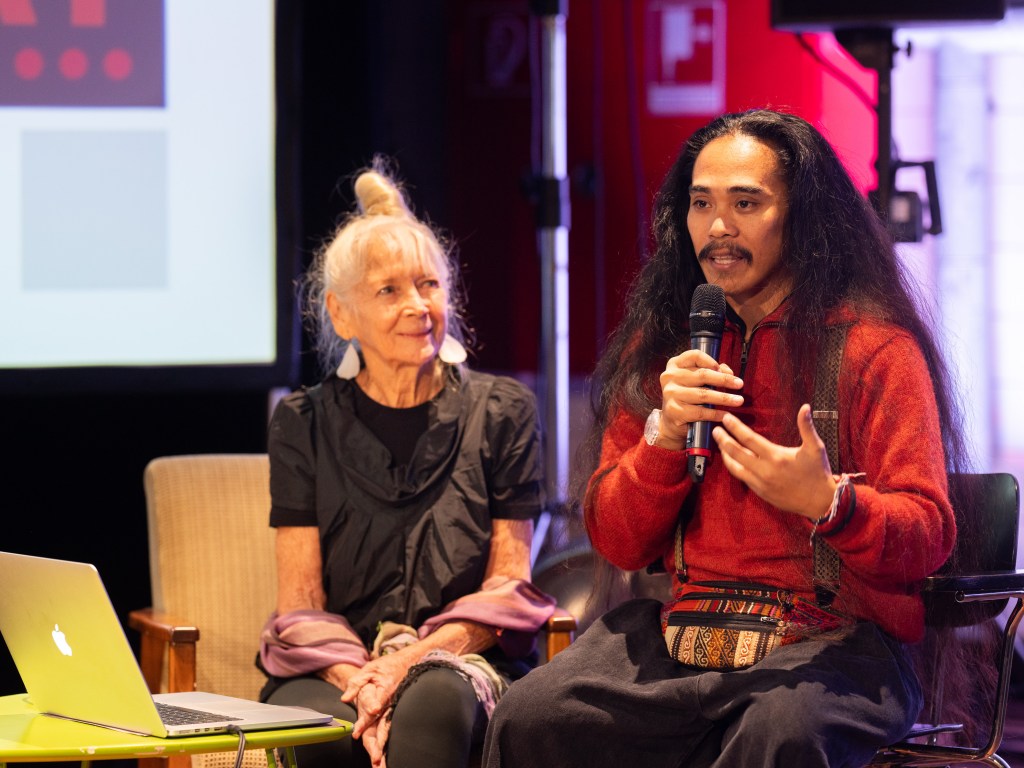
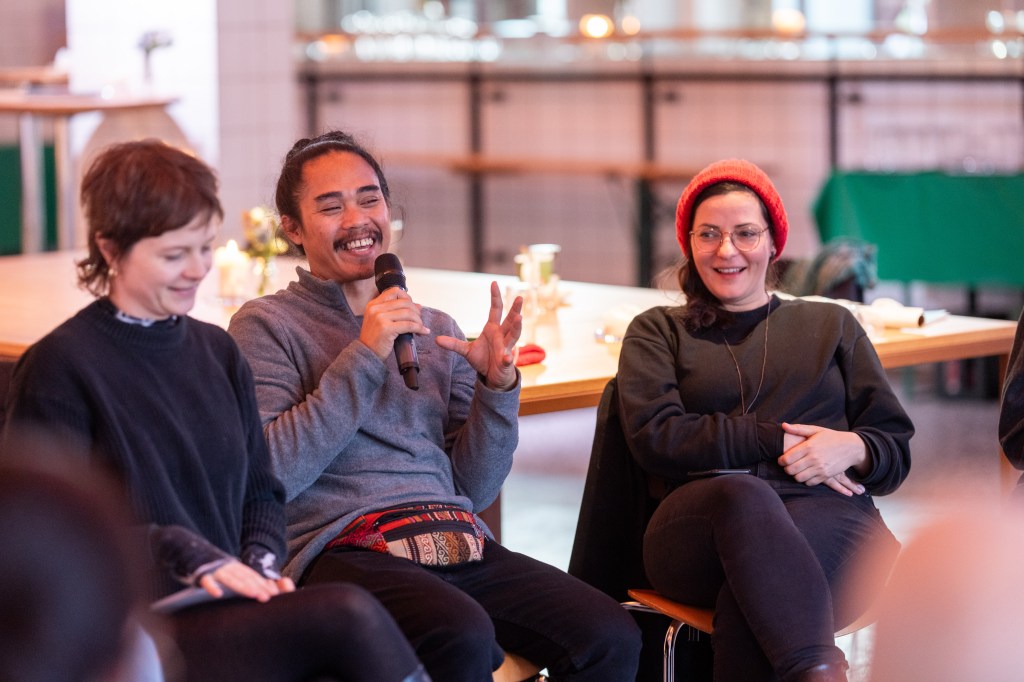
Changing memories of weather phenomena or plants as sources of food and reservoirs of knowledge: the open Residency Café “Plants & Memories” offers insights into the work of resident artists Razcel Jan Salvarita and aniara rodado.
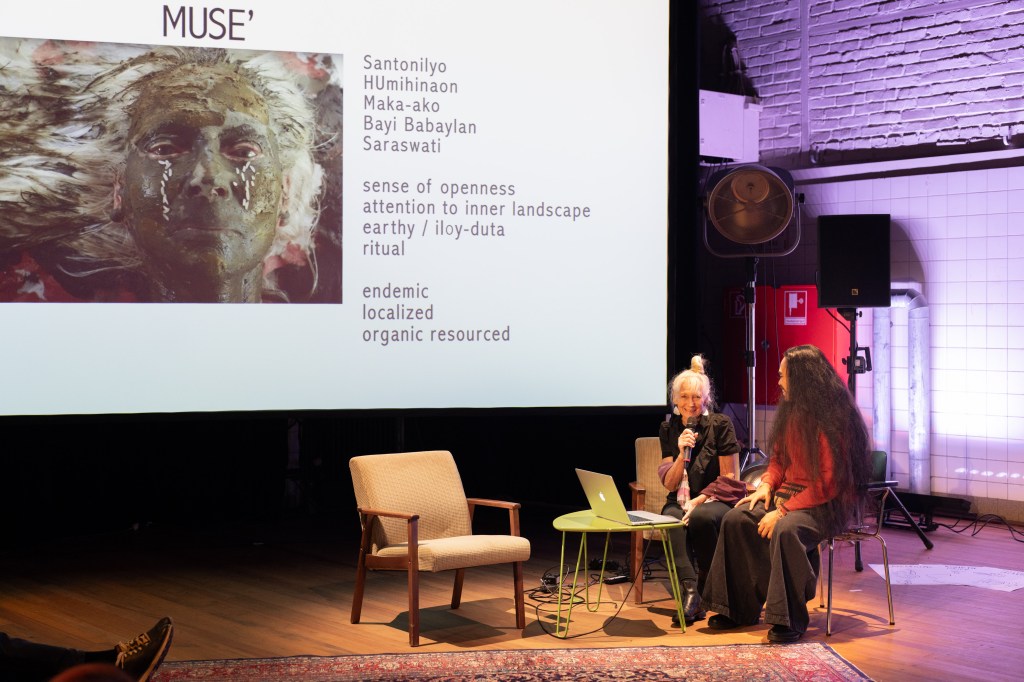
The transdisciplinary activist and artist Raz from the Philippines is developing a performative duet at PACT with the 79-year-old artist Elle Divine as part of a larger artistic research project on memories of climate and weather.
Details: “Circle of Kindred Luminosity: Performance and Talk”, 29mins performance, PACT Zollverein, Essen, Germany 2023







Portfolio No. 02

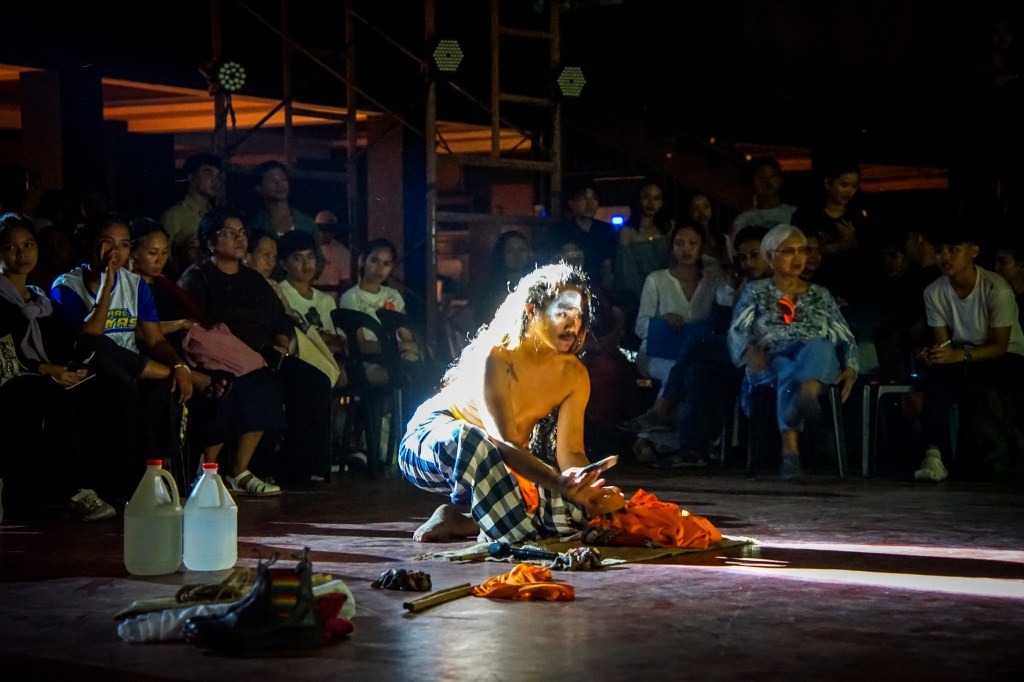
In my performance work, intentional metempsychosis allows the body to become a site of transformation—where memory, nature, and spirit converge. Through movement, I consciously inhabit multiple forms, from ancestral echoes to elemental forces, evoking a ritual journey that transcends self and reconnects with the greater ecology of being.


I have always carried storms in my bones.
Not just the typhoons that pass through islands and headlines—but the quiet ones, lodged in the tissue of memory, passed down through blood and shoreline. These are the storms we don’t name. The ones that arrive as silence. As unease. As a body that cannot forget.
Climate Transcendence is a work born from that remembering. It is not only about the weather. It is about what weather does to the body—how it shapes our emotional architecture, how it unsettles the ground beneath our rituals, and how it can also be a passage into a deeper kind of listening.
This project is a ritual in process—a living performance that moves across two climates, two ecologies, and two homes: the forests and chill of Lübeck, Germany, and the humid, salt-heavy winds of Buruanga, Panay in the Philippines. In both places, I ask the same question in different languages: What happens to the body when it becomes the storm?
Through the act of metempsychosis, I allow myself to shift—into wind, into tree, into stone, into soil. In doing so, I am not performing as nature, but with it—through it. This is not metaphor; this is muscle. This is not myth; this is memory. A cellular remembering of being more-than-human.
I draw from poetry, not as text, but as breath—as invocation. Words come not from the mind but from the pulse of the land, from the cadence of sweat, from the mouth of rivers. Poetry becomes the spine of this performance, guiding gesture, sound, and stillness. A body in motion becomes a line of verse. A pause becomes a stanza.
My practice, rooted in ritual, memory, and performance, is a response to the deep emotional weather of climate collapse. I do not seek to solve it. I seek to feel it fully, to give it space in the body, and to move with it until it no longer paralyses—but transforms. Through forest-dwelling, through weathering, through bodily resistance and surrender, I learn how to stay with what is difficult. I learn how to carry the weight without drowning.
This work also sits in the tension between external research and internal knowledge—between the documented and the intuitive. I study weather patterns, displacement histories, and ecological data—but I also listen to the quiet wisdom of the body, the dreams that come in heatwaves, the stories that rise when I touch the bark of a tree struck by lightning.
Climate Transcendence is not just a project. It is a practice. A choreography of courage. A slow process of transmuting fear into clarity, anxiety into movement, paralysis into preparation. In this work, I try to imagine how we might not only survive the climate crisis—but live through it with dignity, with connection, and with a shared language of embodied vitality.
I believe the body knows.
And when the body remembers, it begins to return.
And when it returns, it can move.
And when it moves, it can act.
And when it acts—it changes everything.








Portfolio No. 03
Razcel Jan Salvarita embodies a multifaceted role as a community arts organizer, working as a full-time artist, climate activist, and creative social action strategist. During his residency in Lübeck, he was hosted by Naturwald Akademie, an organization dedicated to promoting close-to-nature forest conservation.
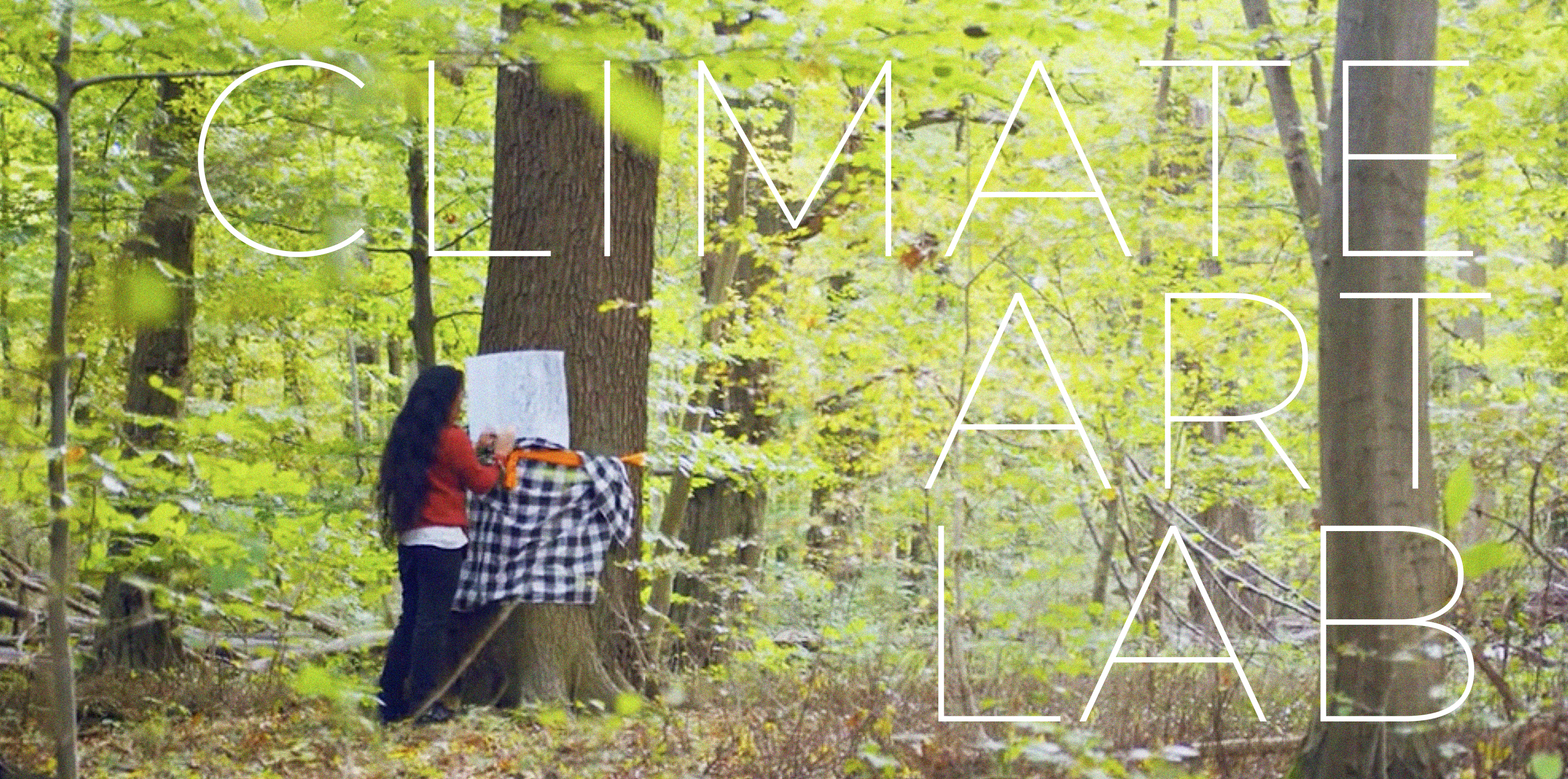
Exploring conceptual research on climate memory through his “Climate Art Lab”, Razcel intertwines experiences from forest dwellings in Germany with the tropical forests and coastal jungle fringes of the Panay Peninsula in the Philippines. Through the medium of his body, he navigates a cellular memory archive and an integral speculative framework that merges artistry with ecological science. His work aspires to inspire a profound reconnection with the true essence of being one with nature.
Climate Action Artist Residency
a programme organized by Cultural Vistas supported by the Federal Foreign Office of the Republic of Germany
During my three-month Climate Action Residency hosted by Naturwald Akademie in Lübeck, Germany, I immersed myself in a rich environment of ecological learning and artistic exploration. I had the privilege of engaging deeply with the “Lübeck Model” of forest conservation—a practice centered on allowing forests to grow naturally, free from structural management—an approach that profoundly influenced my understanding of non-intrusive ecological stewardship.
Participating in the European Natural Forest Summer School and visiting various biosphere reserves and UNESCO World Heritage sites across the Brandenburg region enriched my perspective on conservation strategies and the intricate relationship between human communities and natural ecosystems.
A core focus of my residency was developing the concept of “forest dwelling,” drawing from my previous forest campaign work in the Philippines. I spent long hours within the forest, creating performative poetic rituals that included tracing tree barks as a form of attunement—centering the self with the living presence of the trees. This practice culminated in a durational performance piece titled Memory of Care by Trees, an exploration of embodied care and ecological memory.
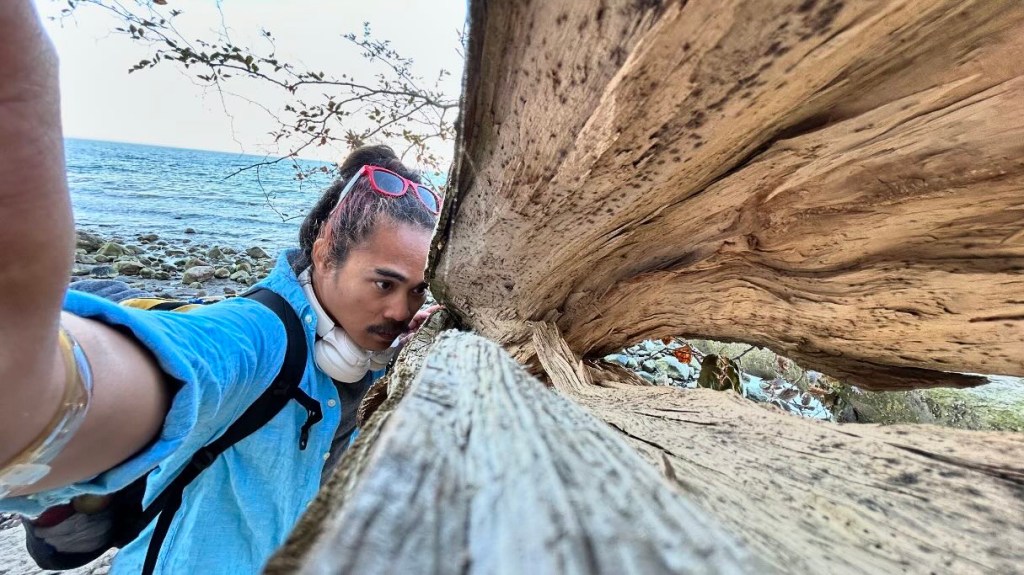
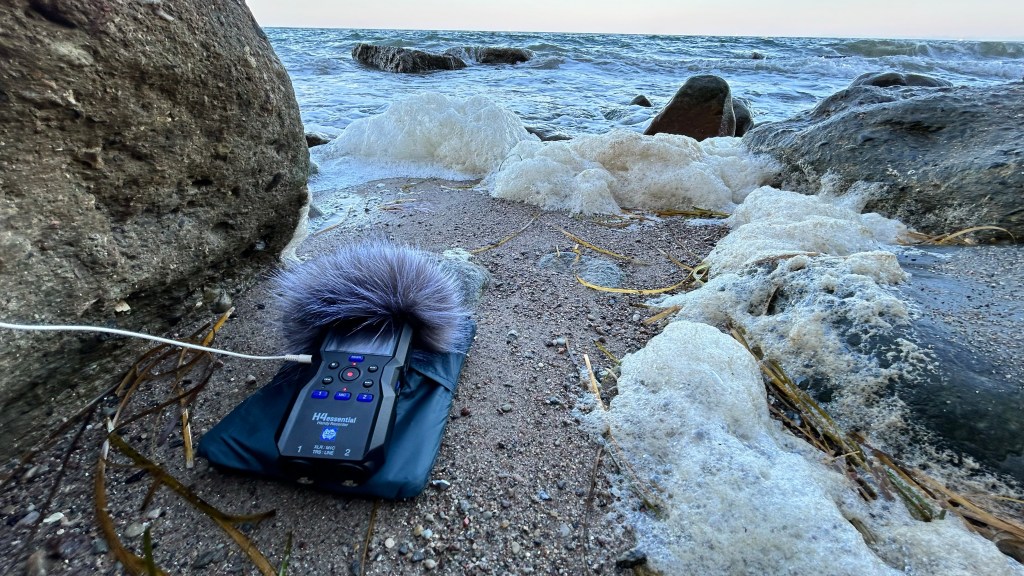


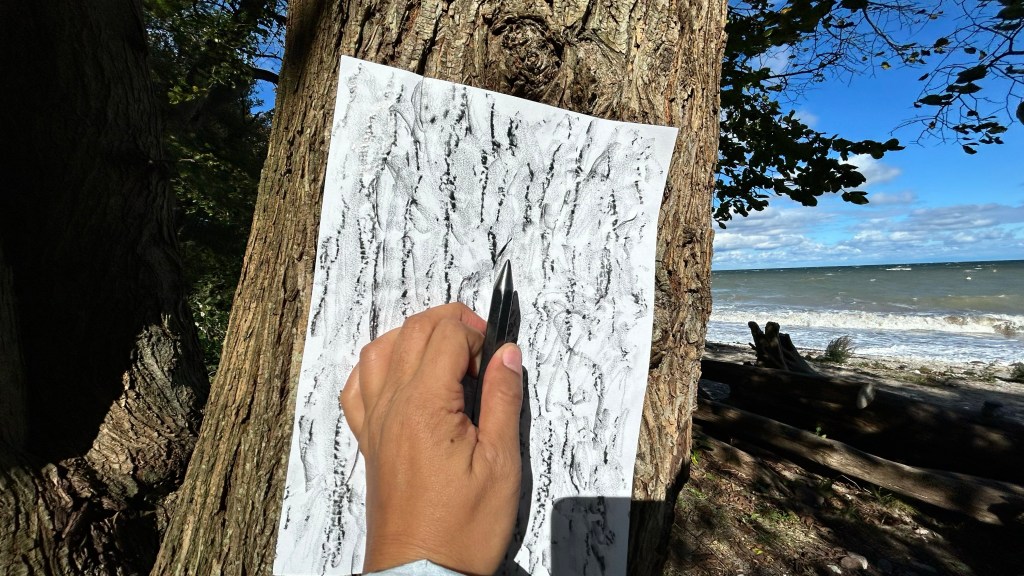
In parallel with my artistic practice, I engaged with the local climate movement, joining the Fridays for Future Klima Strike in Hamburg, which reinforced my commitment to social and environmental activism.
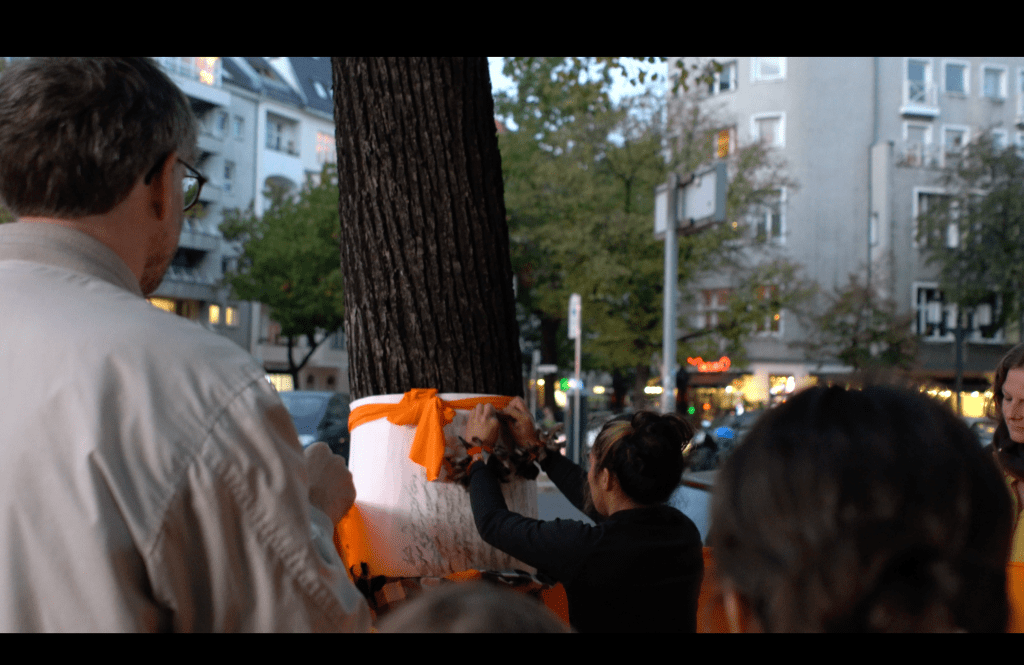
During my final week, I had the opportunity to showcase an intimate performance and exhibition of this ongoing work at the Mental Health Art Space in Berlin, sharing my research and creative processes with a new community.
This residency has been transformative, deepening my connection to natural ecosystems and expanding my practice at the intersection of ritual, memory, and climate action.

We visited one of the burned forests in Brandenburg and observed its process of regeneration, supported by the use of Terrestrial Laser Scanning—a tool that maps patterns of ecological recovery and forest regrowth.


Attuning to the method of metempsychosis as a means of transmuting the emotional landscape into an expression of active recovery.
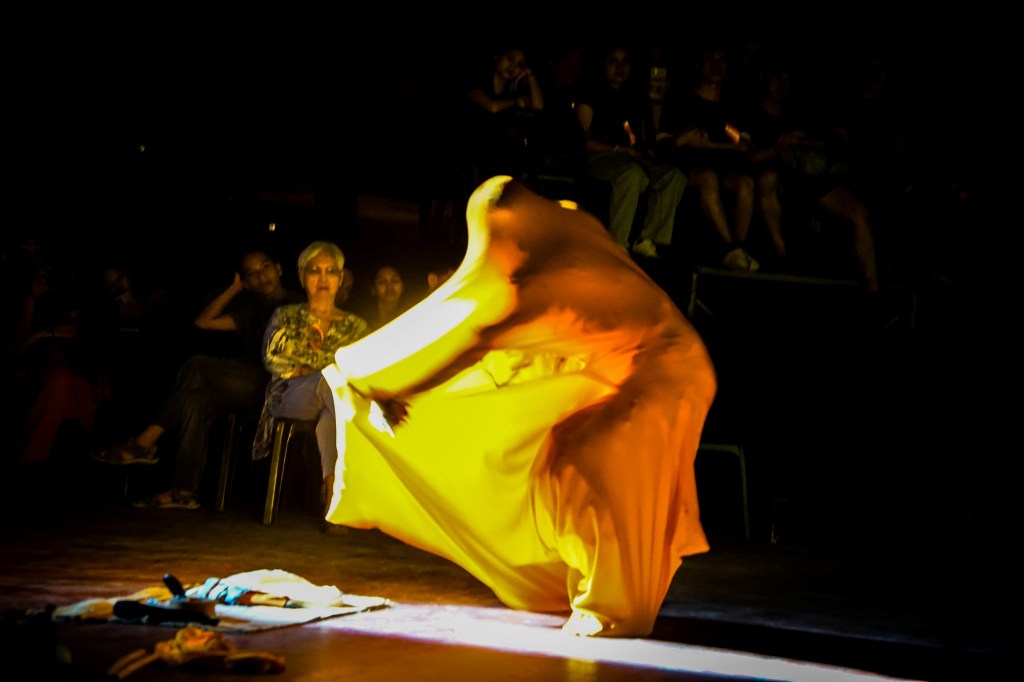
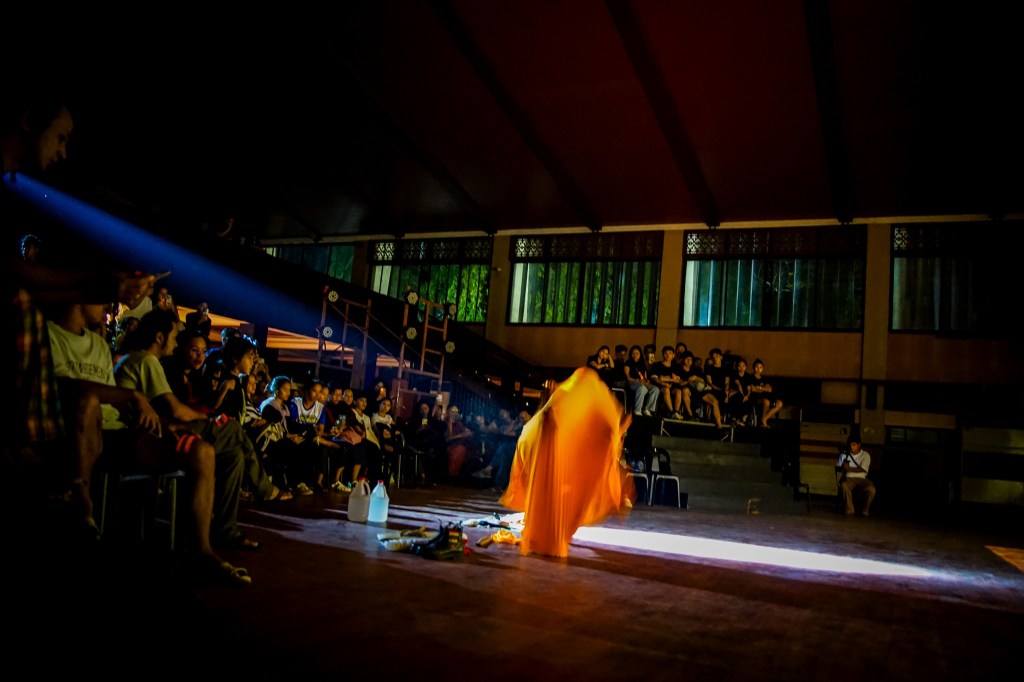
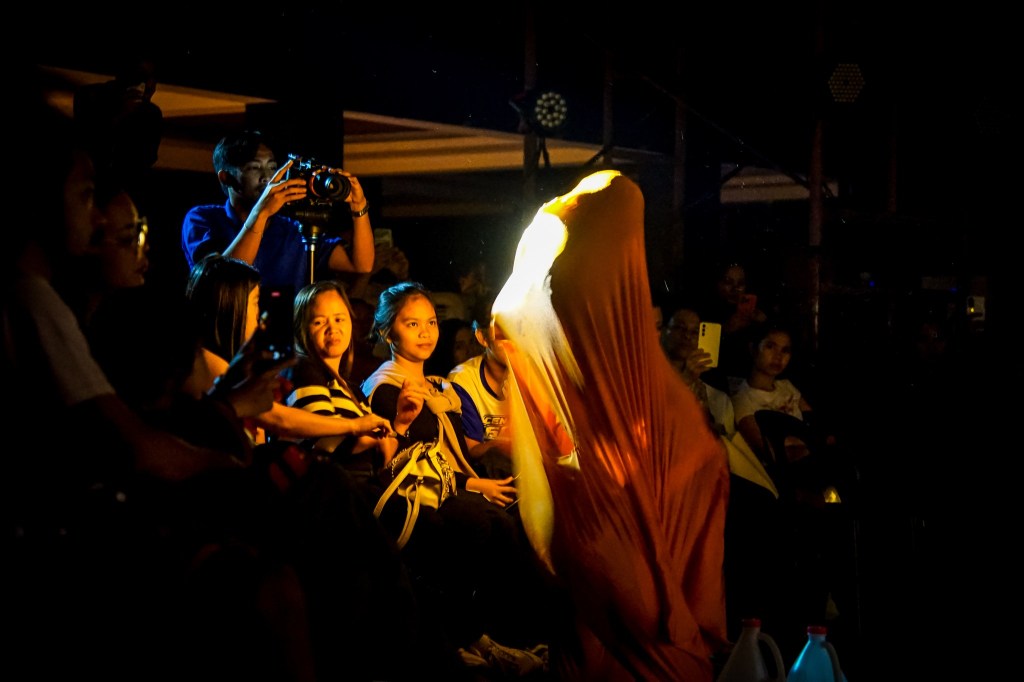
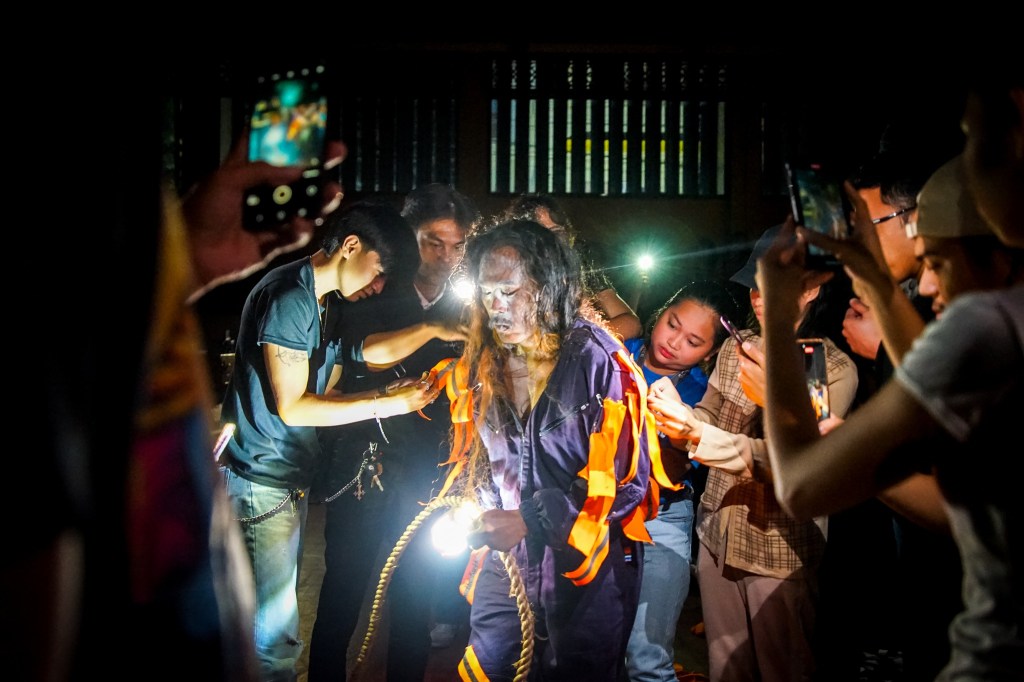
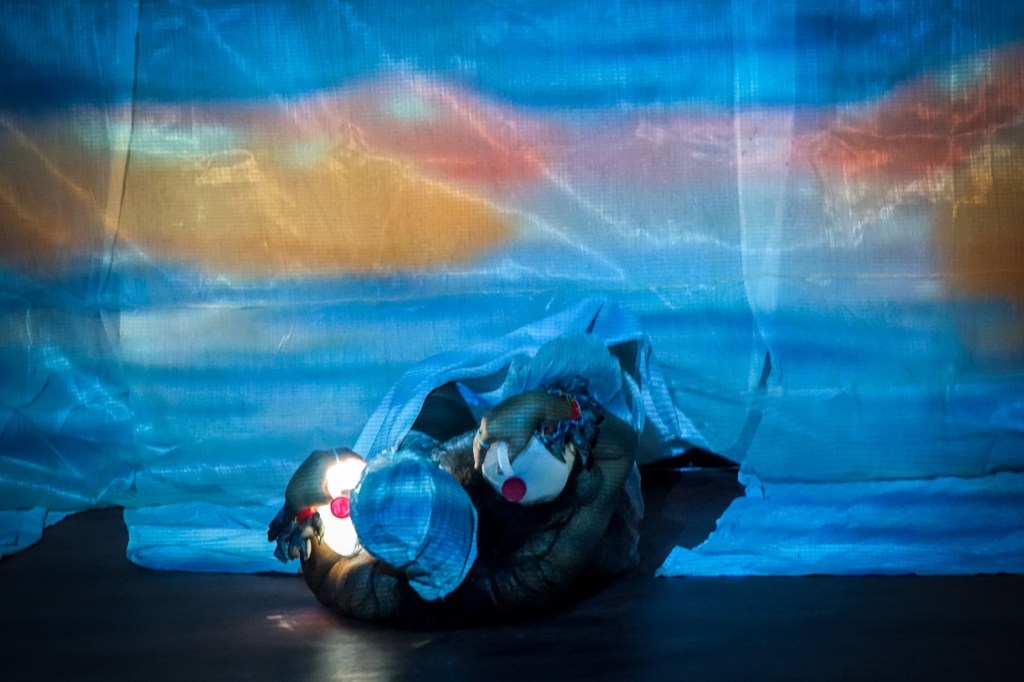
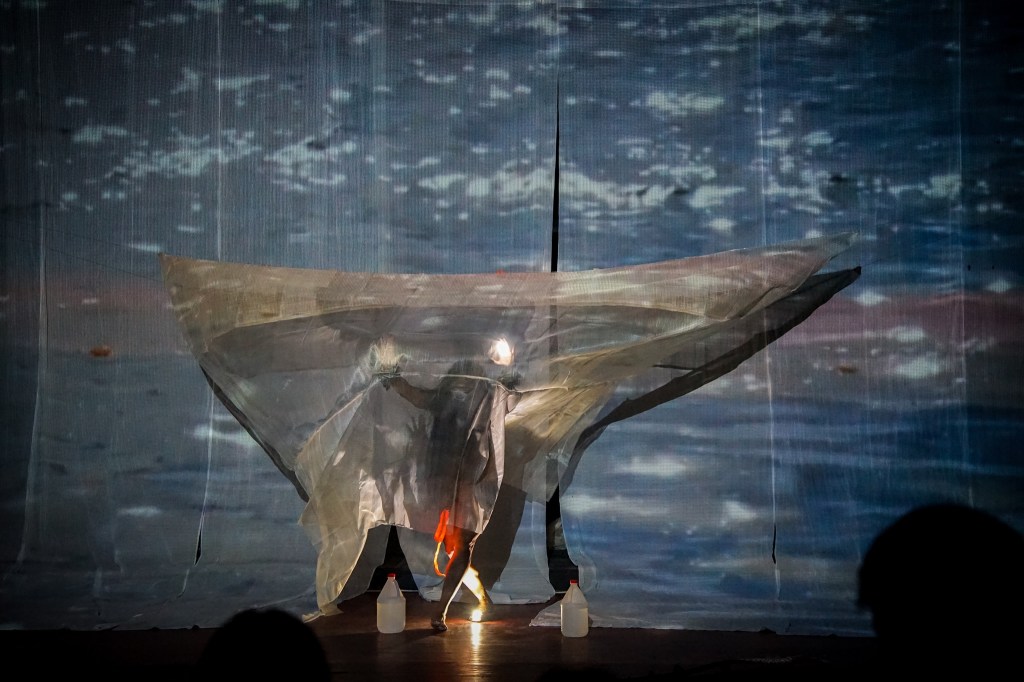
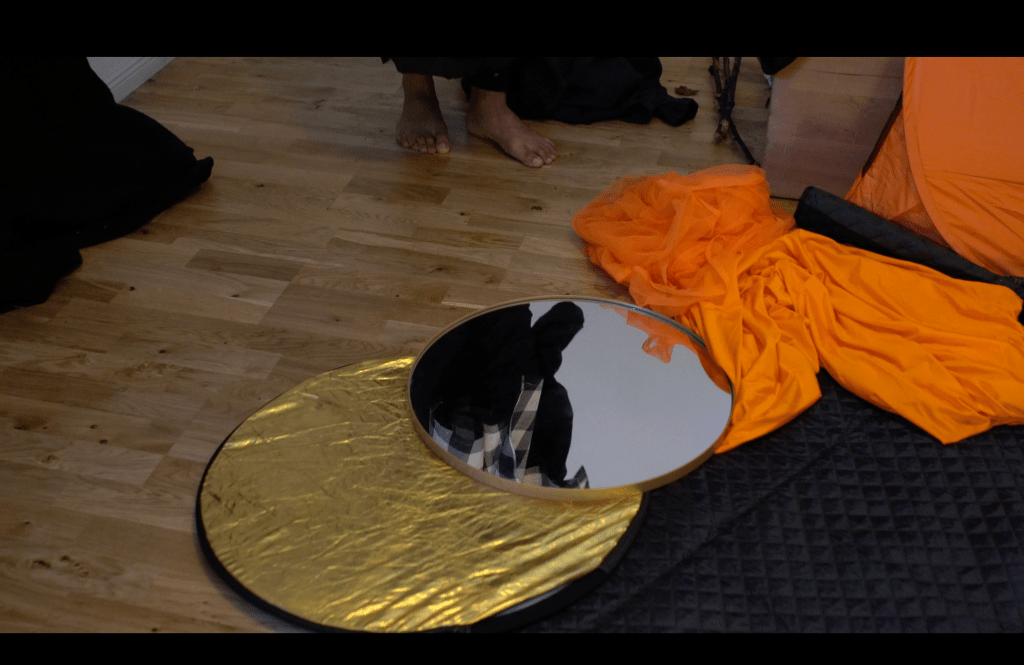
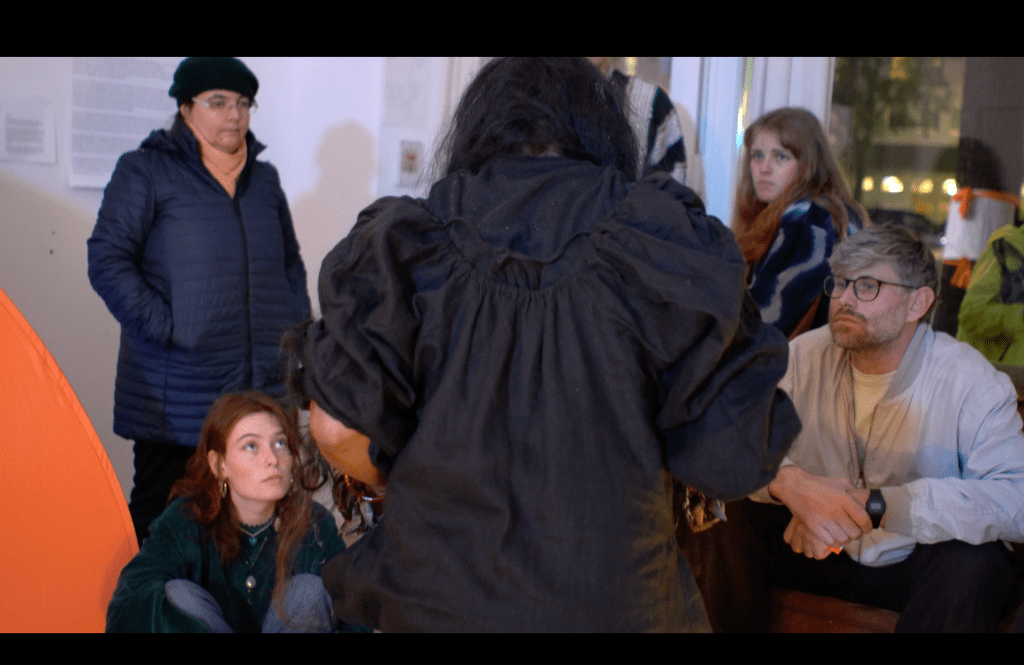
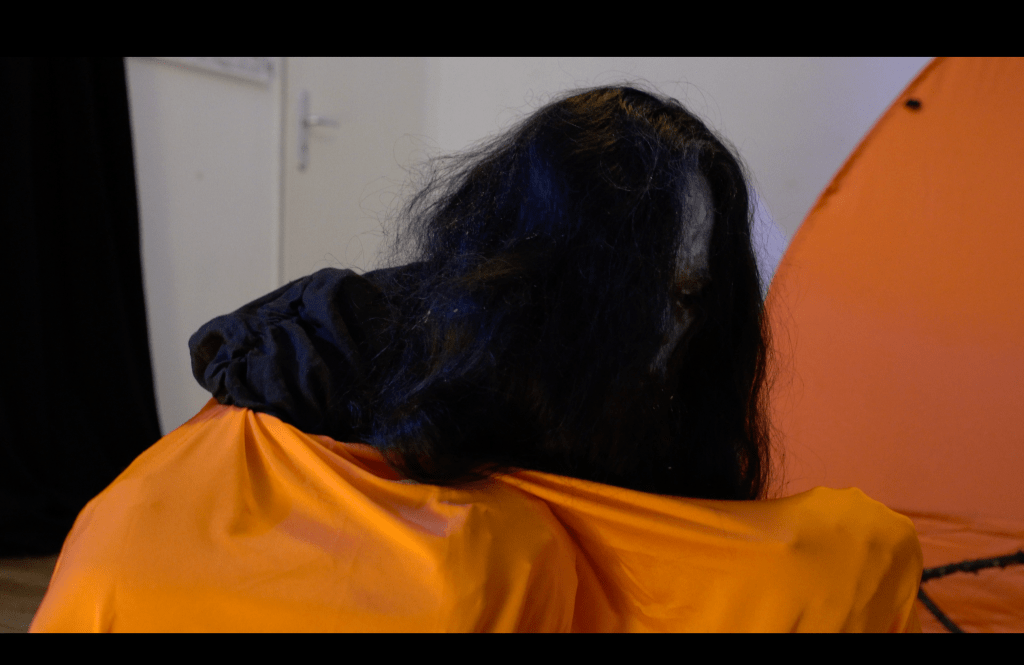
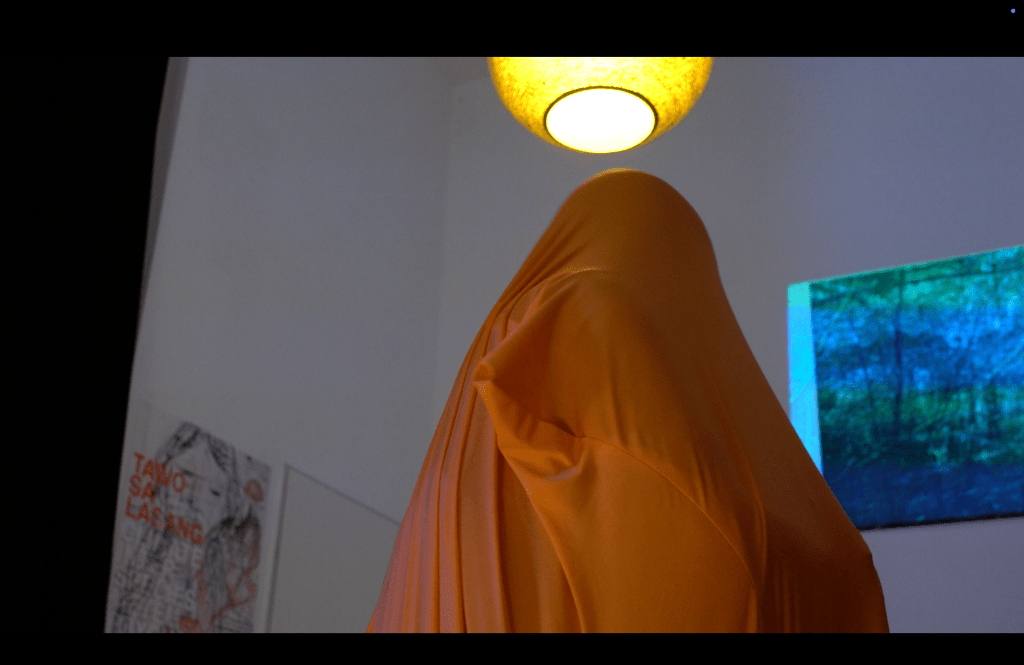
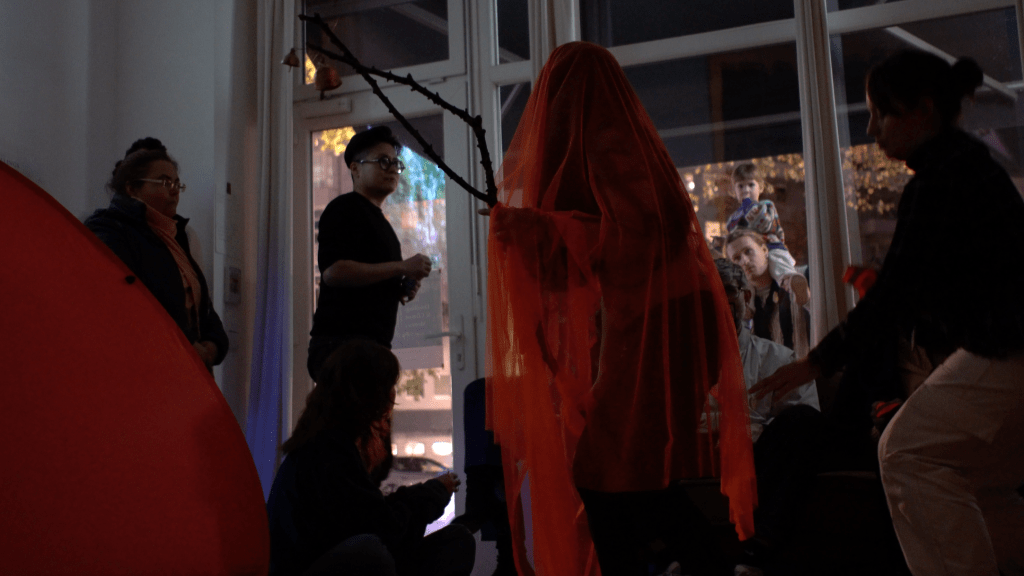
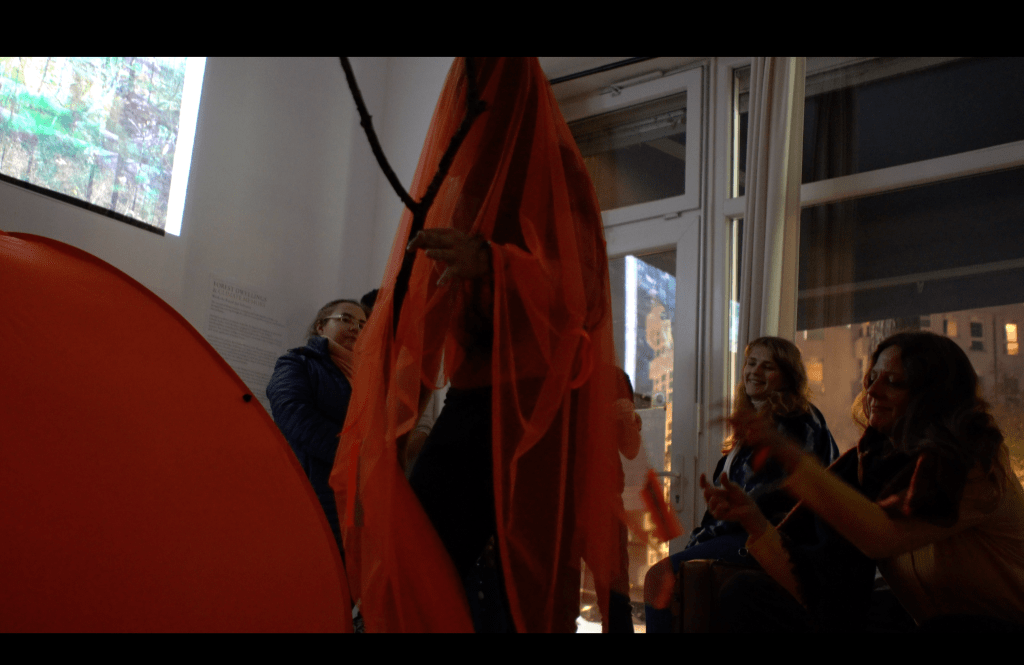
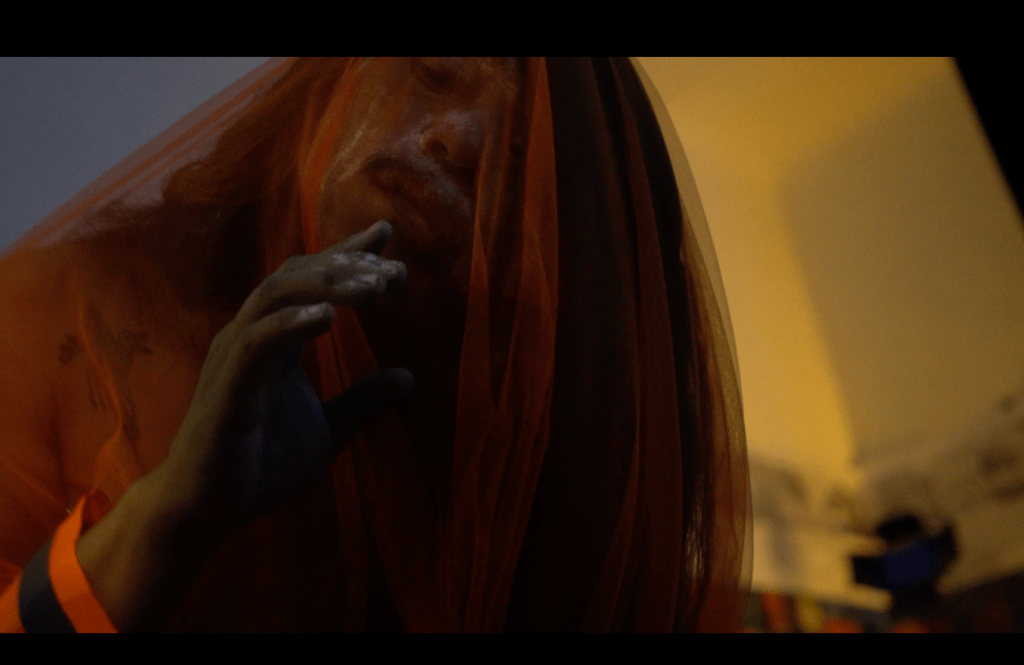
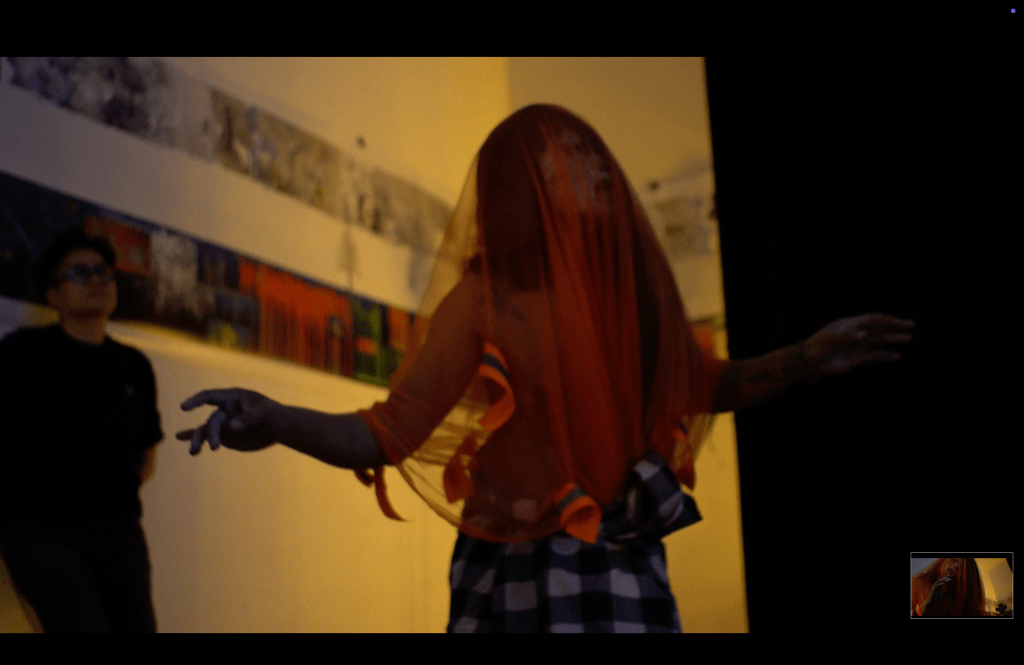
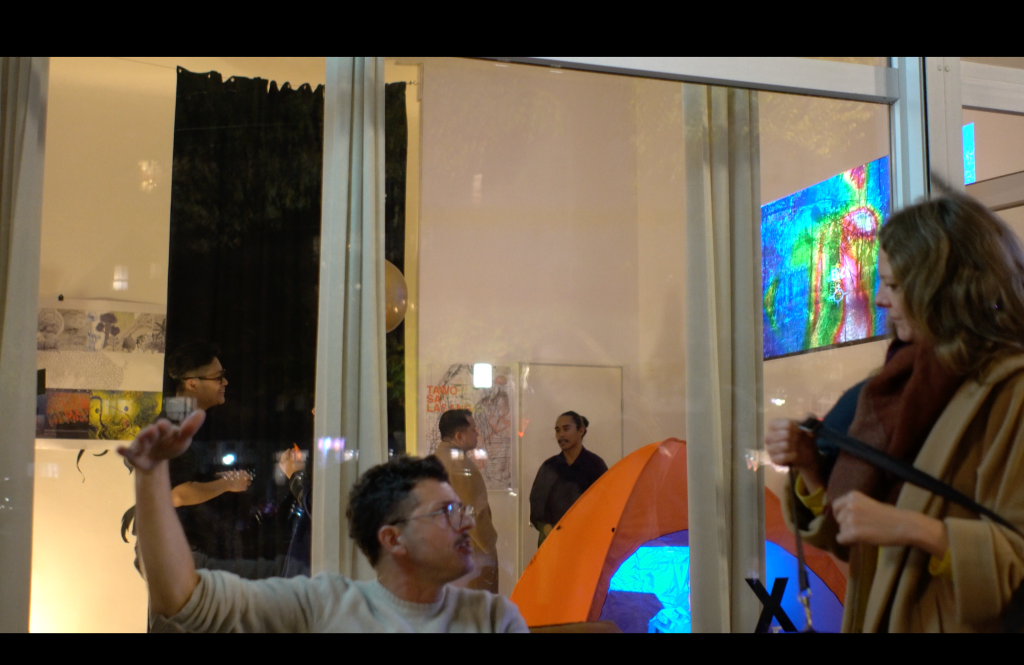
Below are stills from the “Forest Dwelling & Climate” live performance and exhibition at Mental Health Art Space in Berlin.




Portfolio No. 04

Prince Claus Fund – FELLOWS Award
Cultural & Artistic Responses to the Environmental Crisis (CAREC) brings together up to 12 mid-career artists and cultural practitioners from around the world in a year-long interdisciplinary programme with a focus on climate justice and the connection between the climate crisis and the social, racial, and environmental issues in which it is entangled.
Fellows receive €10,000 to invest in the further growth of their practice, engaging their communities, proposing inventive solutions, and imagining alternative futures.
The programme fosters community-based practices that address different pressing environmental issues through decolonising imagination, engaging with indigenous and seasonal ways of living, or reexamining history.
Often locally rooted but speaking to the global challenges humanity is facing in the climate crisis, CAREC provides opportunities for engaged creatives to collectively build alternative ways of co-existing with our environment.
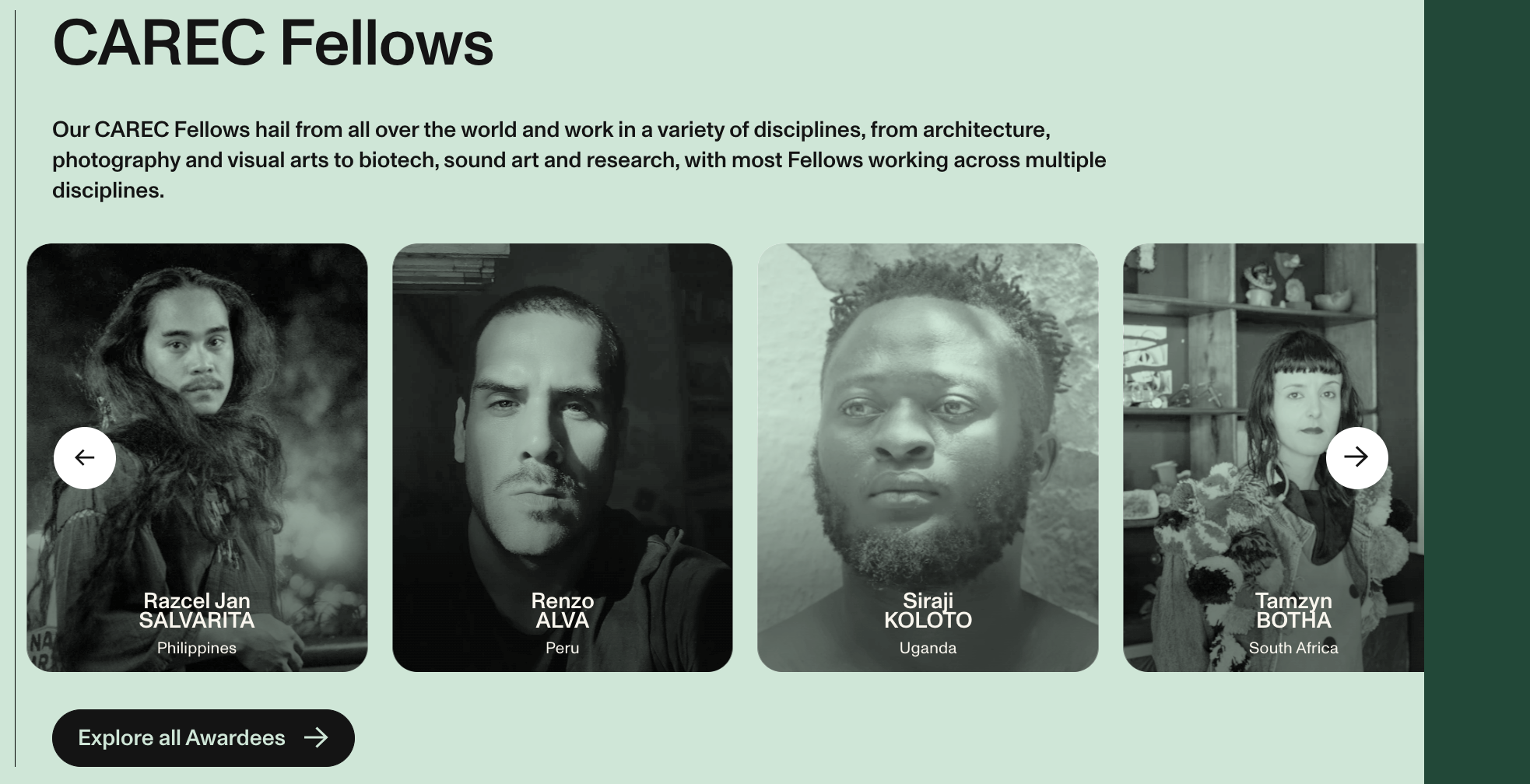
In 2022, I was honored to be selected as a CAREC Fellow for the prestigious Prince Claus Fund award. I was among 12 fellows chosen that year for a year-long mentorship journey guided by three inspiring mentors: Dr. Brigitte Baptiste, Serkan Taycan, and the Etcétera Collective. The program unfolded through a series of online discussions, presentations, and guest sessions, facilitated by the dedicated Prince Claus team—led by Tessa Giller, Head of Programmes, and Victoria, our program coordinator.
I vividly remember joining our first meeting from Wollongong, just outside Sydney, Australia, while I was in residency for the Future Arts Leader Fellowship of Creative Australia. Even through the screen, I felt a strong resonance with the group. As the program progressed, we deepened our understanding of each other’s work and eventually connected in person during two Lab Week residencies—one in Bogotá, Colombia, and another in Amsterdam, the Netherlands.
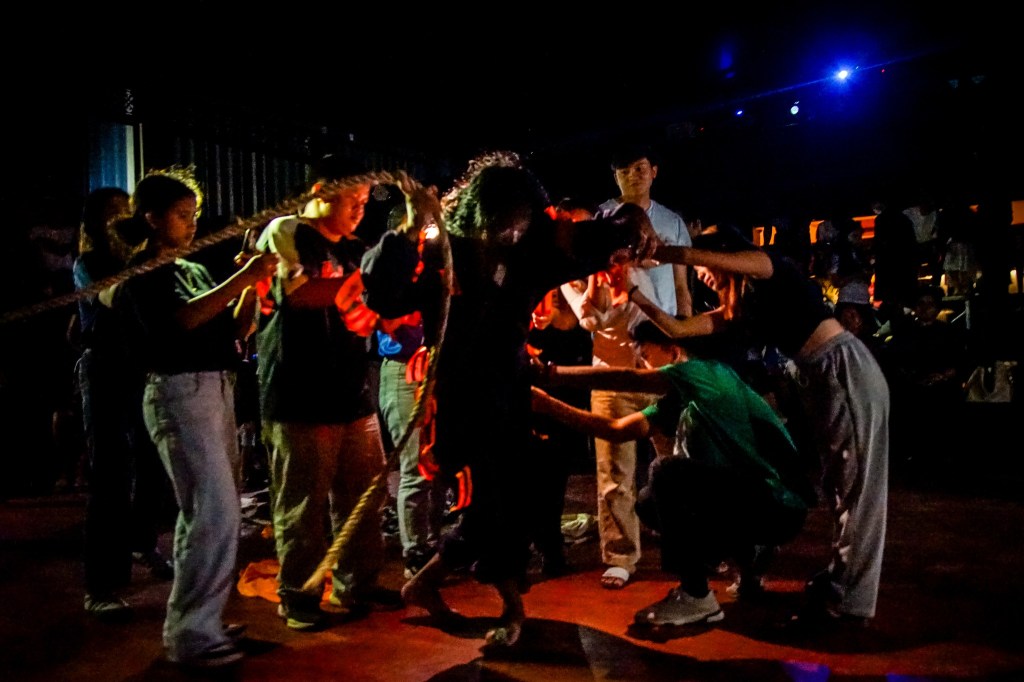
Throughout the fellowship, I focused on developing my project, The Muse’um of Climate Memory. During Lab Week in Amsterdam, I offered a short immersion through a participatory performance entitled “Tiyóg Timbulóg sa Pusod sang Bagyo-Alimpuros.”
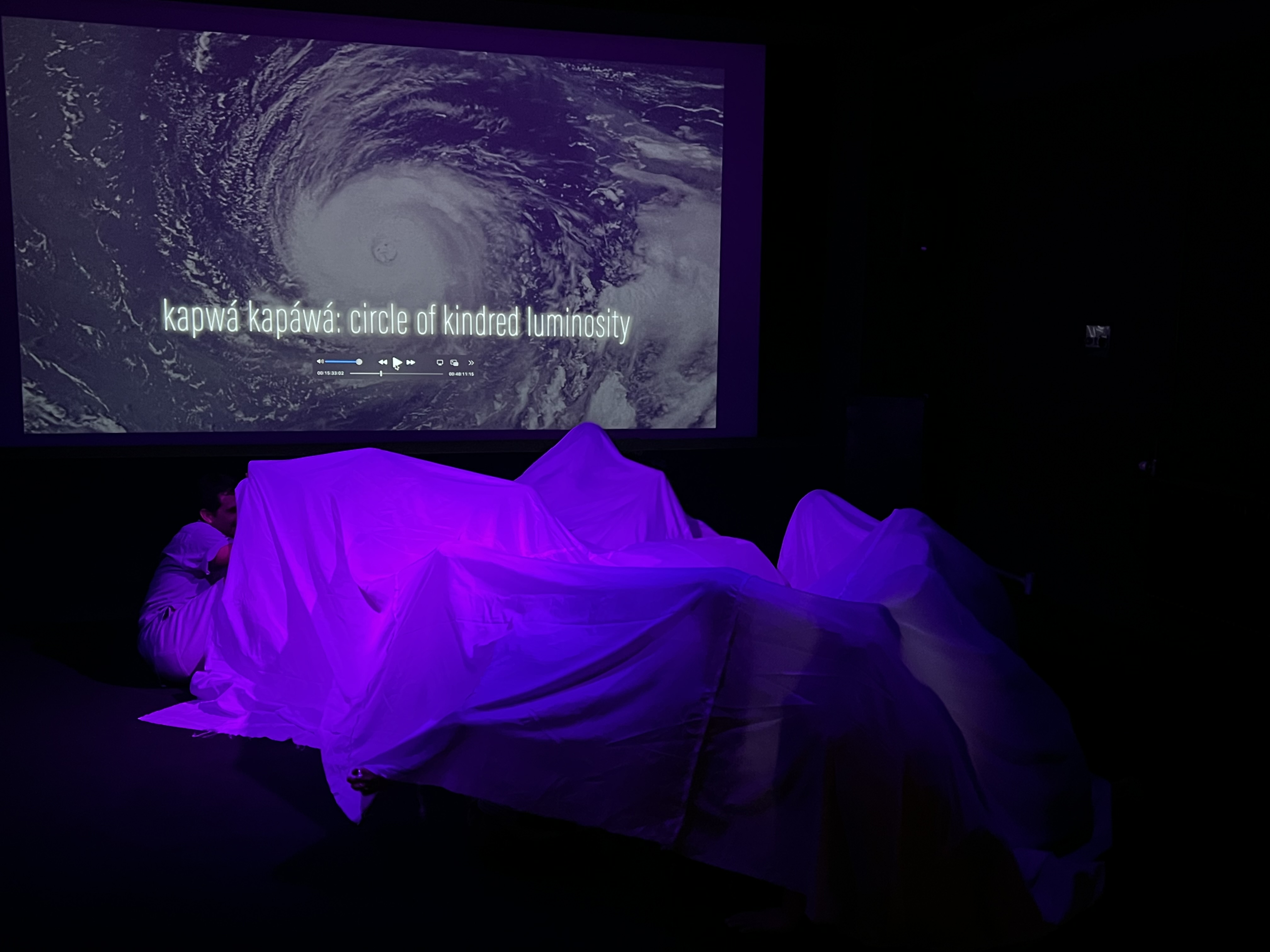


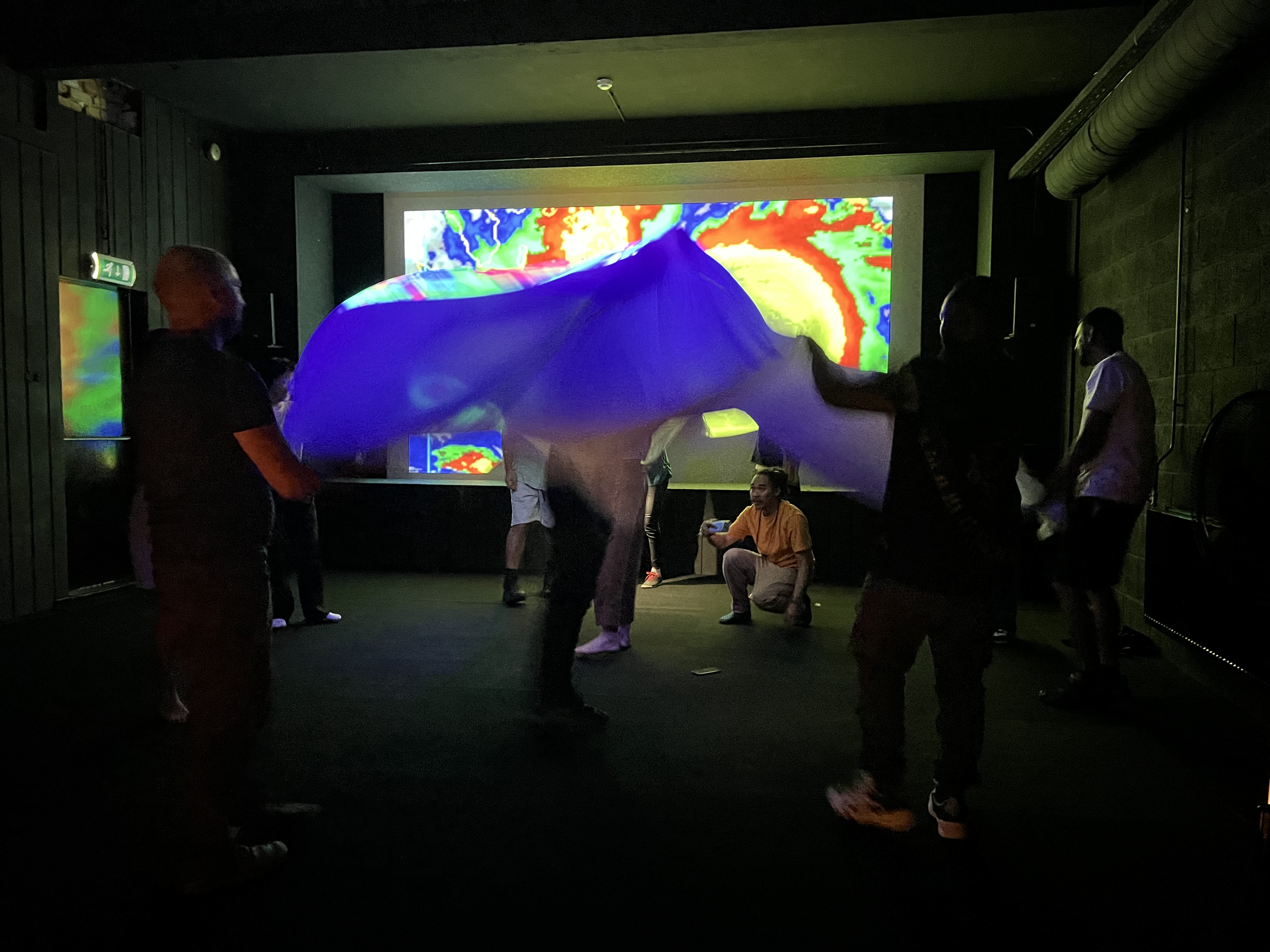


This work sought to reclaim the energetic frequency of a powerful natural force—typhoons—as a space for healing. To heal, one must center themselves in the eye of the storm. It is not an easy process; it takes time. But through surrender and vulnerability, a renewed courage can emerge.
Digging deeply into the research process related to climate memory, I found myself encountering a vast expanse of geological resonance. As the performative aspects of my work evolved, so too did a surge of insight into Earth’s deep time—climate histories encoded in stone, ice, and soil. The intentionality of transmuting the spirit of place and space became a guiding force in my speculative vision, aligning intuitive, artistic response with geological realities.
This journey led me to traverse unfamiliar landscapes that felt intimately connected to my work: the prehistoric salt flats of Salar de Uyuni, the sacred archeological remnants of Machu Picchu, the enigmatic páramo of Bogotá, and the icy expanse of the Aletsch Glacier, a relic of the last Ice Age. These sites hold deep records of Earth’s climate memory—but beyond their scientific significance, they awakened a cellular memory within me. In these terrains, my practice found fertile ground—where intuition, landscape, and embodied performance merged into a poetic response to the planetary changes we face.
 ra'z salvarita